Liberal Europe Blog
Welcome the Liberal Europe Blog, the official blog of the European Liberal Forum. Let's bring new ideas to the political debate!

Welcome the Liberal Europe Blog, the official blog of the European Liberal Forum. Let's bring new ideas to the political debate!
Page 1 of 12
11 March 2026
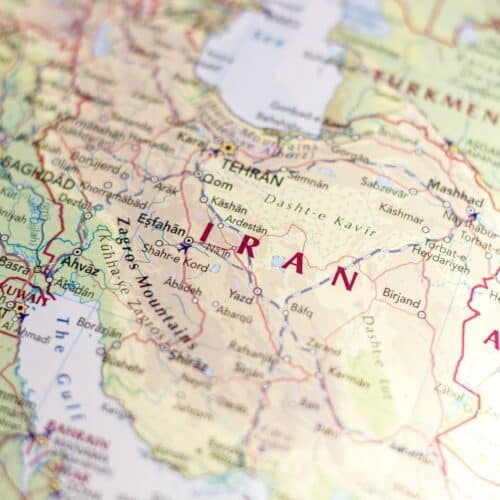
Iranian society today is wounded, frightened, yet politically alive and hopeful. Europe’s task is not to speak over it, contain it, or reduce it to a security problem. It is to recognize that the Iranian people are the real democratic actors in this story.
18 February 2026

Europe Shouldn’t Miss the Next Tech Wave
9 February 2026
Politicians should take actual responsibility and ban addictive social media platform use for young minors.
5 February 2026
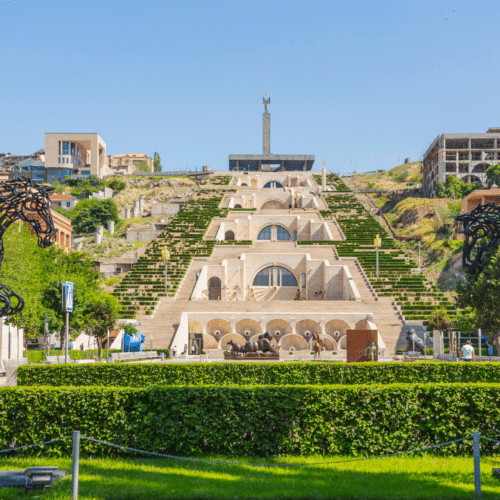
We spoke with young people at the American University on Armenia’s future prospect of EU membership, with civil society on the role of the EU and reforms still to be made, and with women leaders on how to build inclusive organisations.
28 January 2026
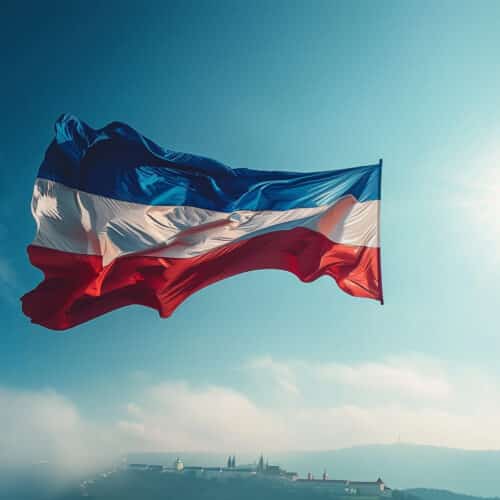
Yugoslavia’s collapse shows that unresolved economic imbalances and weakened solidarity eventually become political and security crises a warning for the EU to reform early and anchor integration firmly in liberal democracy
15 December 2025

For many years, space policy in Europe was treated as a technocratic domain (for engineers and ESA committees) or a prestige project for national leaders. That’s changing. Now space underpins everything from climate policy, digital infrastructure, and defence.
11 December 2025
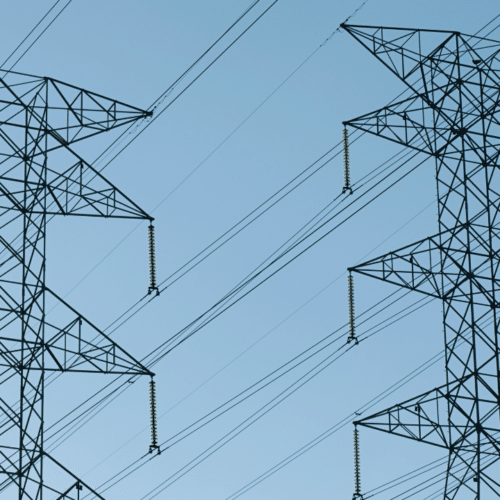
Europe’s energy transition is gridlocked. Can a €1.2 trillion investment plan come to the rescue? The EU is currently at an important moment in its energy transition. Although a global leader in climate policy, Europe’s electrification and renewable energy integration tends to lag behind other regions, constrained by an ageing and fragmented grid infrastructure.
10 December 2025
Italy introduced a new system intended to protect minors from accessing adult content, but its design created widespread confusion about whether SPID digital identification would be required to access such websites.
5 December 2025
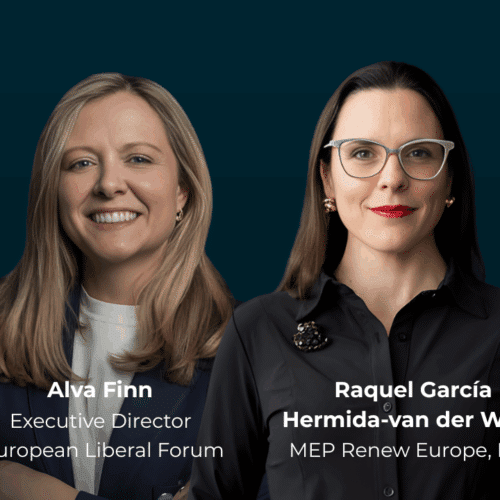
Recently, the European Commission dropped two policies we’ve been waiting for: the Democracy Shield and the EU Civil Society Strategy.
4 December 2025

When attending the Black Sea Security Conference in Tbilisi in October 2024, a joint event led by the liberal Friedrich Naumann Foundation with the support of ELF, some ominous shadows loomed large. Georgians were less than a month away from the parliamentary election, facing justified fears, now materialized, of what a victory for the Georgian Dream party could mean for the country.
1 December 2025

Georgia, once a regional beacon, has taken a drastic detour from its Euro-Atlantic path. In October, the ruling Georgian Dream (GD) party again secured a contested local majority, followed by the Parliamentary Speaker, Shalva Papuashvili accusing the EU of financing anti-governmental protests, or “street wars”. This claim reflects the party’s broader illiberal populist rhetoric, which portrays Western liberal institutions as threats to Georgian sovereignty and national identity.
27 November 2025
Last week, Tirana marked a major milestone on Albania’s path to joining the European Union by opening six key negotiation clusters. This achievement is also linked to the latest annual “Enlargement Package” from the European Commission, which now sees enlargement as an important geopolitical tool for a stronger, more unified Europe, and not just a technical process.
Page 1 of 12